The Quiet Signs of Luxury: How to Tell If Something is Actually Well-Made
Learn the quiet signs of true craftsmanship — and discover how the same perceptual skill helps you see clearly in life.
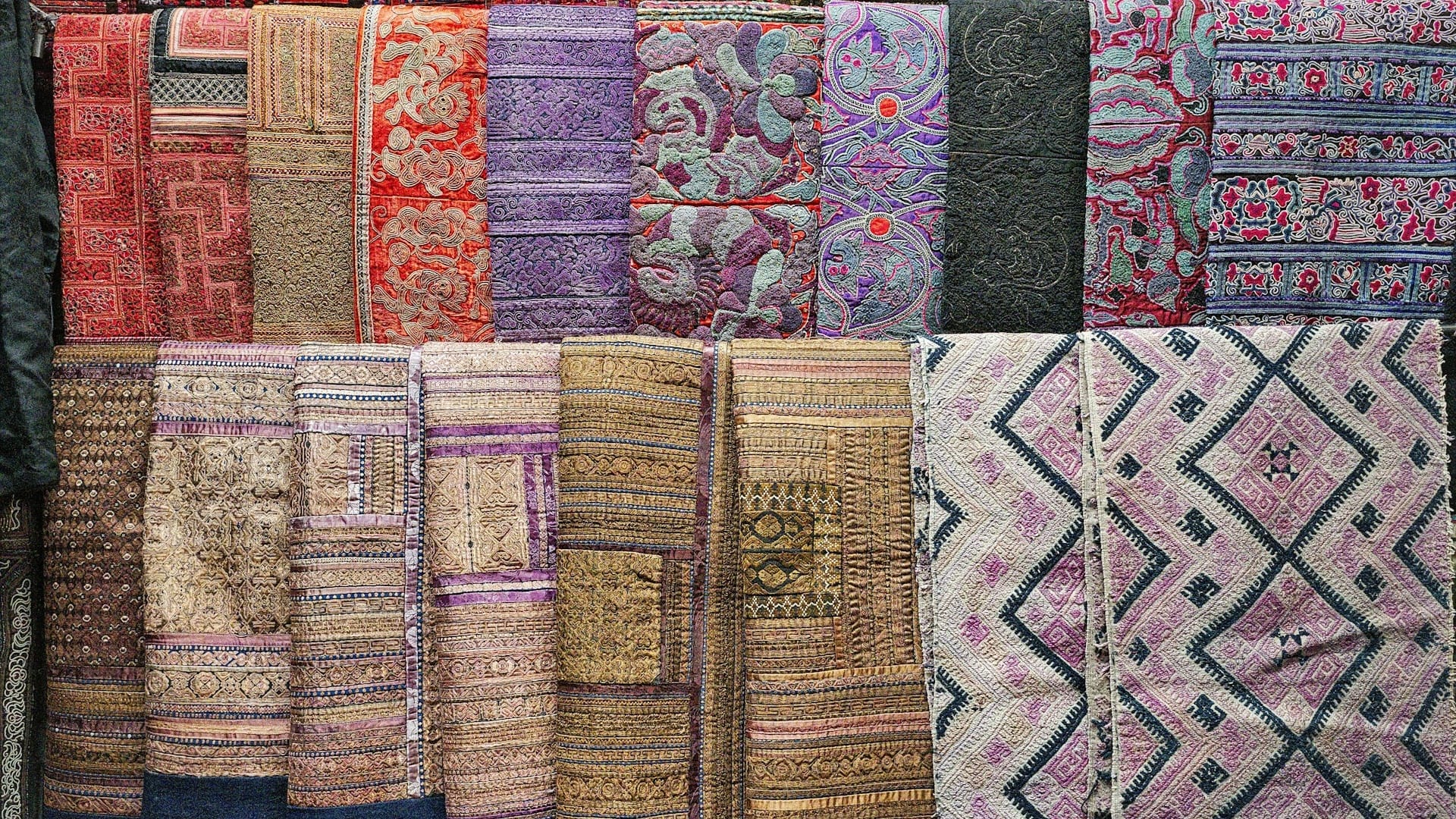
What to notice when words like 'artisan' and 'handmade' have lost all meaning
Luxury used to be something you could feel in your hands.
A jacket rested on your shoulders with real weight—not the kind that strained when you lifted it, but the kind that suggested it would outlive you. A ceramic bowl carried the memory of the maker's touch in its subtle asymmetry. A chair had presence.
But somewhere along the way, we stopped watching the craftsman's hands.
The language of luxury became louder than the craftsmanship itself. "Artisan" and "handmade" turned into marketing copy. "Quality" became a slogan you could license and slap on anything. And most people, through no fault of their own, lost the silent literacy needed to read what was actually in front of them.
This is the literacy The Vantage Room helps people develop—not via lectures, but via the art of seeing through. It's something we practice together.
This isn't about snobbery or gatekeeping. It's about developing a way of seeing that works everywhere—whether you're moving through museums, markets, or landscapes you thought you already knew. Call it democratic sophistication: understanding the world not through price tags or status signals, but through attention, discernment, and the quieter truths that objects reveal when you know how to notice them.
What follows is a practical guide to identifying true quality—where it hides, how it behaves, and the signals it leaves behind.
1. The Pre-Touch Test
Most people begin evaluating objects by picking them up. The discerning observer begins earlier.
The first marker of quality is intent—a sense that the maker had a reason for every choice. You can decode intentionality visually:
Proportion: Well-made objects have harmony. Whether a coat collar or a table leg, the dimensions feel resolved. Your eyes don't search for what's wrong—they rest in what's complete.
Continuity: The design language holds together. A hinge matches a handle. A stitch line echoes a seam. A silhouette has internal logic.
Lack of excess: Quality rarely tries too hard. It doesn't need outsized logos, overly complex features, or decorative noise to justify itself.
This type of pre-touch assessment matters because true artisans design for coherence. Mass-produced goods can mimic features of quality—but they can't fake equilibrium.
Notice a row of ceramic cups at any craft market or design fair. The ones that catch your eye for their quiet correctness—even before you pick them up—are the ones worth your attention.
2. Weight and Balance: The Body Language of Objects
Once you pick something up, your hands offer the second major indicator: intentional weight.
Clothing: High-quality wool, cotton, denim, and leather have presence. They don't feel flimsy or papery. Jackets drape; they don't collapse.
Furniture: Well-made chairs or tables have weight in the right places. Solid wood is denser, more stable. Joints feel secure and don't wobble. Think of the satisfaction of a well-weighted pen, or the reassurance of a solid car door closing.
Ceramics and glassware: Hand-thrown ceramics carry a grounded, natural weight. High-quality glass has clarity and heft.
But weight alone isn't the goal. Balance is.
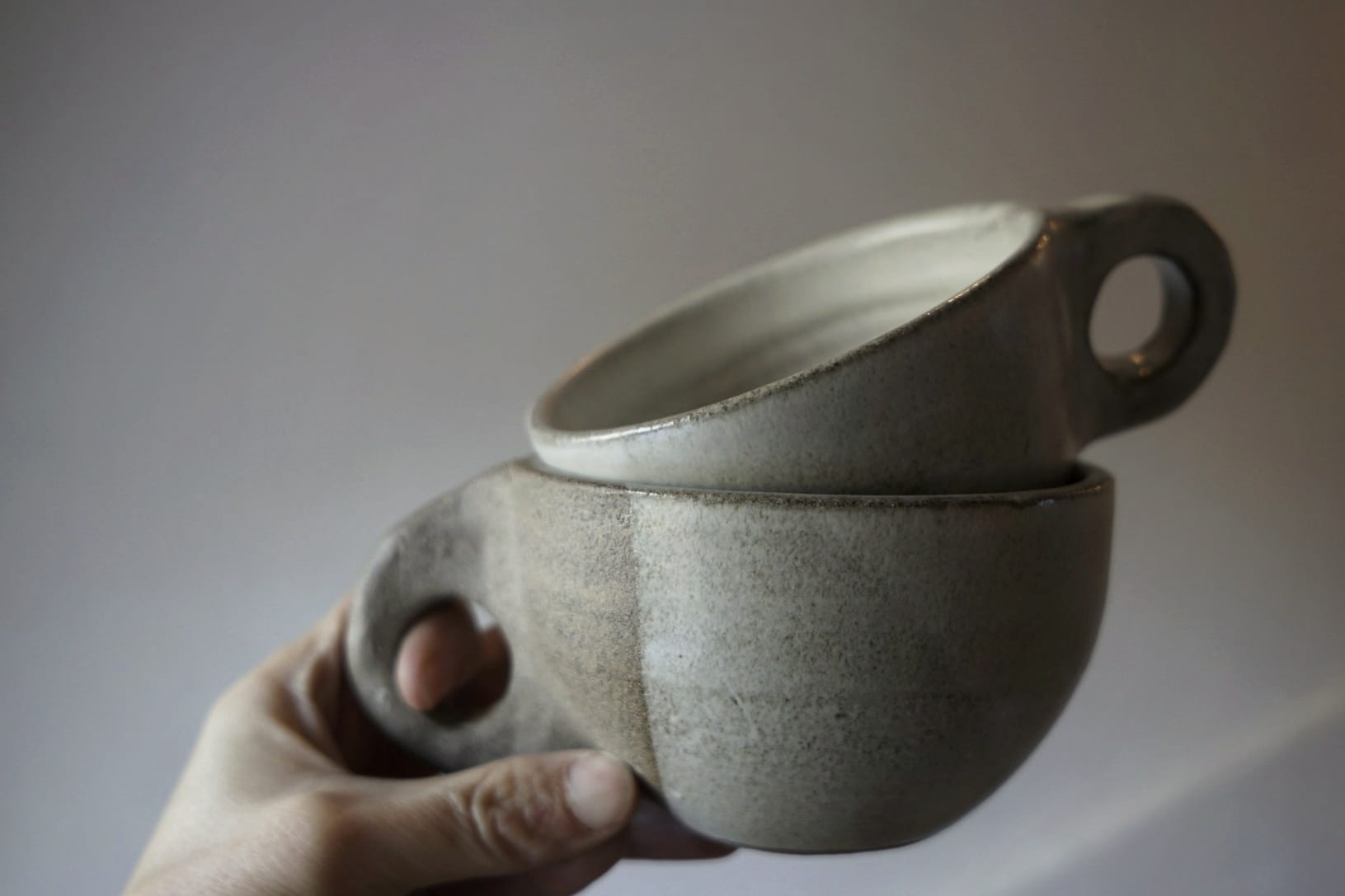
A handmade ceramic cup that feels heavy on one side is not well-balanced. A pair of leather shoes that slaps loudly was not engineered for movement. Earrings that pull on the lobe signal compromised construction.
Quality has equilibrium.
This is one of the oldest measures in global craft traditions—from Japanese lacquerware to Scandinavian woodwork. Balance signals an understanding of both materials and human ergonomics. It communicates a maker's relationship with gravity, structure, and form.
3. Seams, Joints, Edges: The Silent Grammar of Craftsmanship
If weight is the body language of objects, seams and joints are their grammar—the parts where the story of construction reveals itself.
You don't need to know technical terms—your hands already understand the difference.
Clothing
A quick way to read construction:
Stitch density: Higher stitch count = stronger seams. Tug gently; good seams flex but don't warp.
Seam finishing: Quality garments hide raw edges with binding, overlocking, or flat-felling.
Pattern matching: Stripes and plaids align across seams. If a shirt pattern breaks dramatically, quality was not the priority.
Lining: A well-lined coat moves like a symphony. Cheap linings cling or bubble.
Touch the seams from the inside. You'll feel the difference.
Furniture
Notice:
Joinery: Mortise-and-tenon, dovetail, tongue-and-groove (those satisfying interlocking joints you see in heirloom furniture)—these are the signs of durable construction. Screws alone suggest shortcuts.
Edges: Smooth, even, intentional edges show refinement. Sharp edges on wood are a cost-saving compromise.
Undersides: Flip chairs, open drawers. Hidden surfaces should still show discipline. Quality makers don't abandon the unseen.
Ceramics and Objects
Check for:
- Consistent wall thickness
- Smooth glaze transitions
- Even bases that sit flat without rocking
In handmade objects, slight variation is the charm. But consistency in underlying technique signals mastery.
4. Materials: The Truth You Can't Fake
The difference between mediocre and exceptional objects is often material. High-quality materials behave differently—they age, patinate, soften, deepen. They don't decay.
Indicators:
Natural fibers (linen, wool, silk) breathe and hold color beautifully.
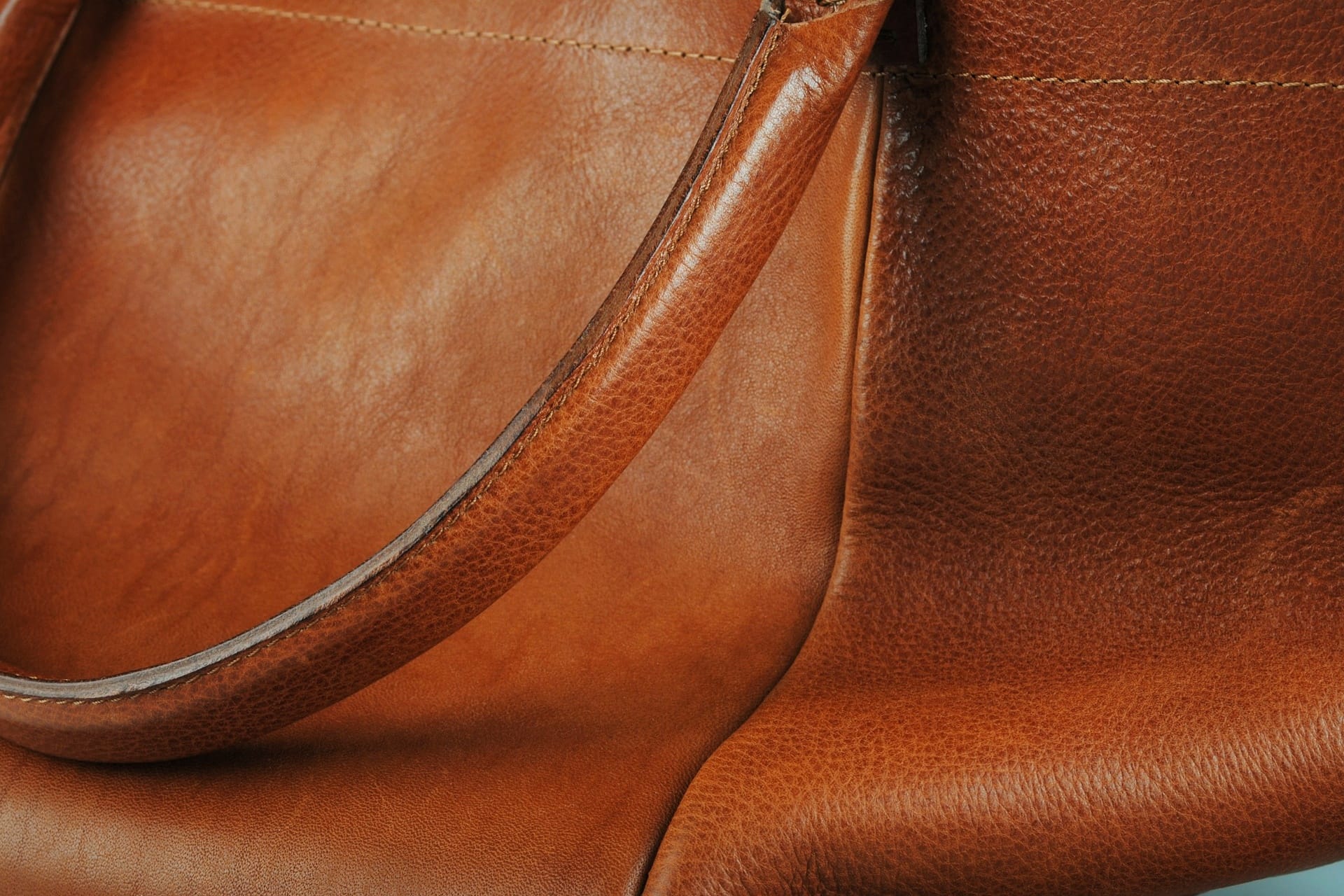
Full-grain leather develops patina and never cracks the way split or bonded leather does.
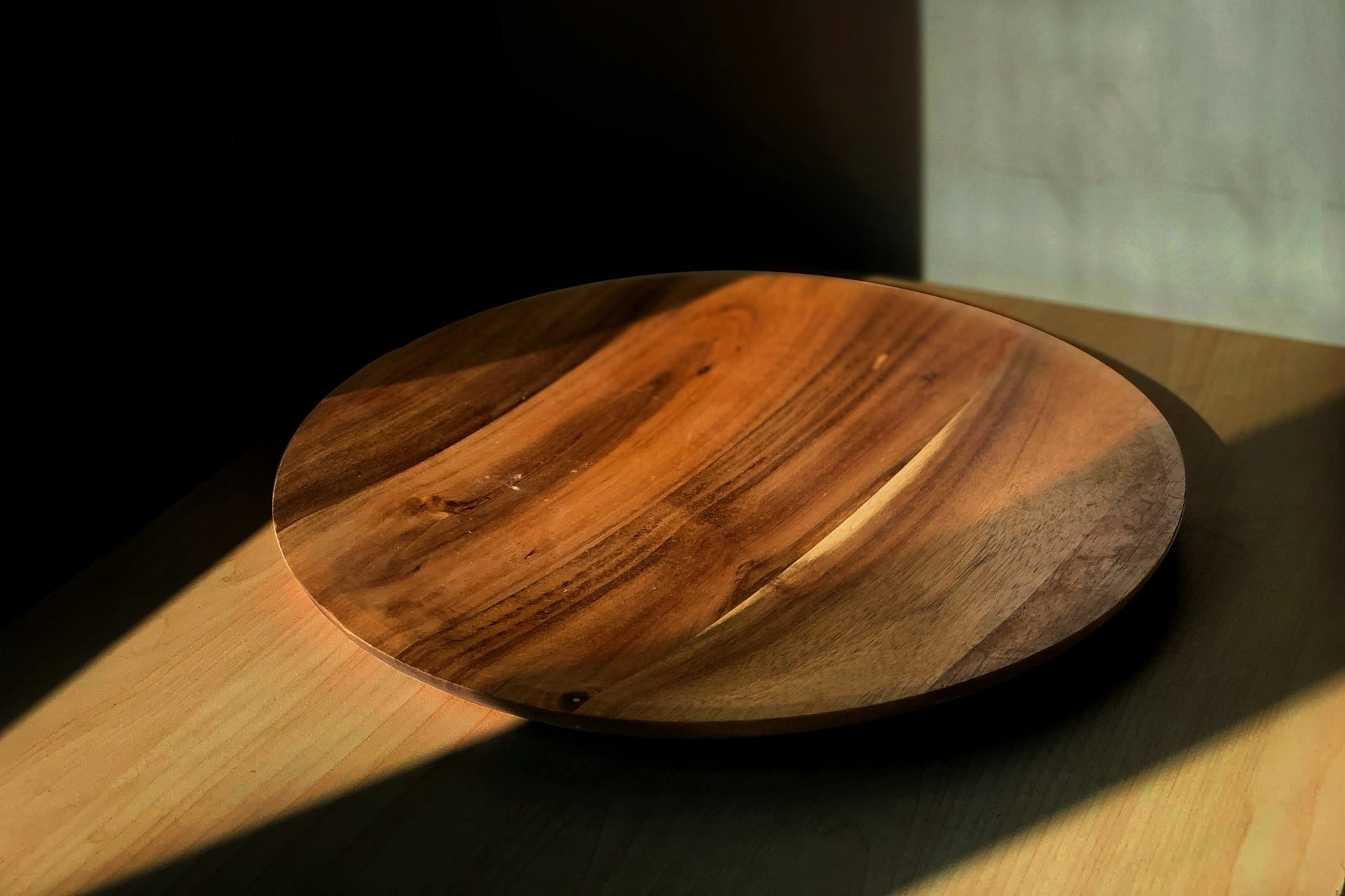
Solid wood has depth and visible, irregular grain; veneers often look overly uniform.
Hand-mixed glazes produce subtle variations and depth that factory finishes can't replicate.
One of the best questions: How will this material age?
If you sense it will improve with time, it is probably well-made.
Here's the curious thing: once you start noticing quality in one area, you can't stop seeing it everywhere. It's like discovering a language that's been spoken around you all along.
5. Craft Traditions: Quality Has an Ancestry
Every culture has its own signature of quality—as distinctive as an accent, as readable as handwriting. Understanding even a little of these traditions expands your perceptual range.
Japan — Precision as Philosophy
Japanese joints fit so precisely they need no glue—this isn't showing off, it's showing respect. Surfaces are polished to silk, yet makers deliberately leave traces of the hand. A slight asymmetry in a ceramic bowl. The grain of wood celebrated rather than hidden. What looks simple is often the result of decades of practice.

Scandinavia — Functional Poetry
Nordic craft prizes clean joinery, soft minimalism, and a deep relationship with natural materials. The aesthetic comes from climate—long winters demand objects that bring warmth without clutter. Furniture sits close to the ground. Lines are spare but never cold. Quality whispers rather than announces.
Morocco — Geometry as Memory
Moroccan craft is a conversation between Islamic geometry and Berber symbolism. Leather tanning techniques unchanged since medieval times produce suppleness that's unforgettable. Metal shows intricate piercing. But it's the inlay work—zellij tilework, carved cedar with bone and mother-of-pearl—where mathematical precision renders as visual language.

India — Time Made Visible
A true Banarasi silk sari might require fifteen days of continuous weaving. When you hold one, you're holding three weeks of someone's life. Zardozi embroidery uses real gold thread—it catches light differently than synthetic ever could. The quality marker here is patience made visible, accumulated hours that communicate cultural reverence for slow transformation.
Italy — The Sensuality of Technique
Italian craft centers on tactile luxury—Tuscan leather produces suppleness you feel immediately. Venetian glass achieves colors that seem lit from within. Neapolitan tailoring creates a shoulder line so natural it looks like the jacket grew there. The quality comes from generational refinement: families perfecting one technique for centuries.
Curiosity is enough. Visit museum craft collections. Ask questions. Let objects teach you their ancestry. You'll start recognizing these signatures everywhere.
6. Sound: The Overlooked Indicator
Tap a ceramic bowl lightly. Notice the ring.
A well-made piece has clarity—no dull thud, no inconsistent vibration.
Open a drawer. Good joinery glides instead of scraping.
Snap a metal clasp. Quality hardware has a confident closure, not a hollow click.
Sound is one of the most underrated indicators of craftsmanship. Your ear often knows before your hand does.
7. Signatures That Whisper
True artisans rarely plaster their names across their work. Where logos shout, a master potter whispers—sometimes just thumb-pressed initials in wet clay.
Markers of authenticity:
- A discreet stamp or maker's mark
- A signature placed with intention
- Documentation that feels specific and personal
- Provenance rooted in real craft, not generic marketing language
In mass luxury, branding shouts. In true quality, branding whispers.
8. Emotional Resonance: The Final Test
This may seem subjective, but it's deeply real.
Well-made objects have emotional coherence. They feel right. They invite care. You already know this feeling—it's why certain objects become irreplaceable while others remain merely functional.
This is not sentimentality—it's relational quality. A good leather bag molds to your body. A hand-thrown bowl becomes part of your morning ritual. A solid wood table gains presence over time.
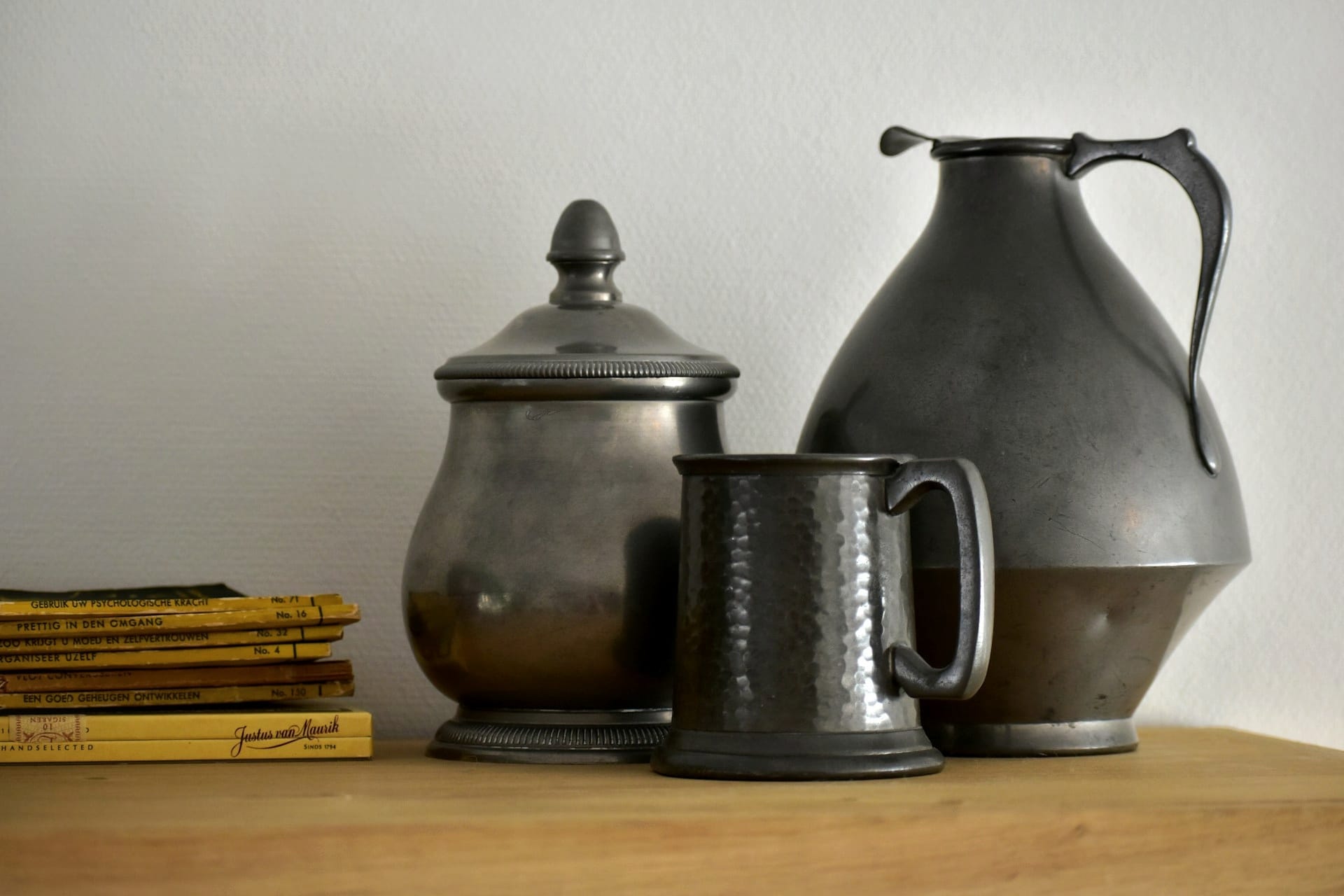
Inferior objects ask for attention only when they fail. Good objects quietly enrich your life.
9. Quality Across Categories: A Practical Field Guide
Clothing
- Weight & drape
- High stitch count
- Finished seams
- Natural fibers
- Smooth lining
- Pattern alignment
Furniture
- Solid wood
- Strong joinery
- Clean finishing on hidden surfaces
- Balanced weight
- Stability
Ceramics
- Even bases
- Clear resonance
- Consistent thickness
- Smooth glaze
Leather Goods
- Full-grain leather
- Precise stitching
- Weighted hardware
- Clean edges
Jewelry
- Solid metal
- Proper weight
- Well-set stones
- Secure clasps
Use this guide anywhere—markets, boutiques, museum shops, design fairs, or online. Quality follows the same principles everywhere. Once you learn to see it, you can't unsee it—which is either wonderful or dangerous, depending on your budget.
10. Why Quality Matters (More Than Ever)
In an age of mass production, fast fashion, and disposable objects, quality offers grounding. It brings you back to intentionality.
Quality slows you down. It demands presence. It cultivates discernment. But more than that, it connects you to the human hands behind every object—the decisions, the patience, the pride.
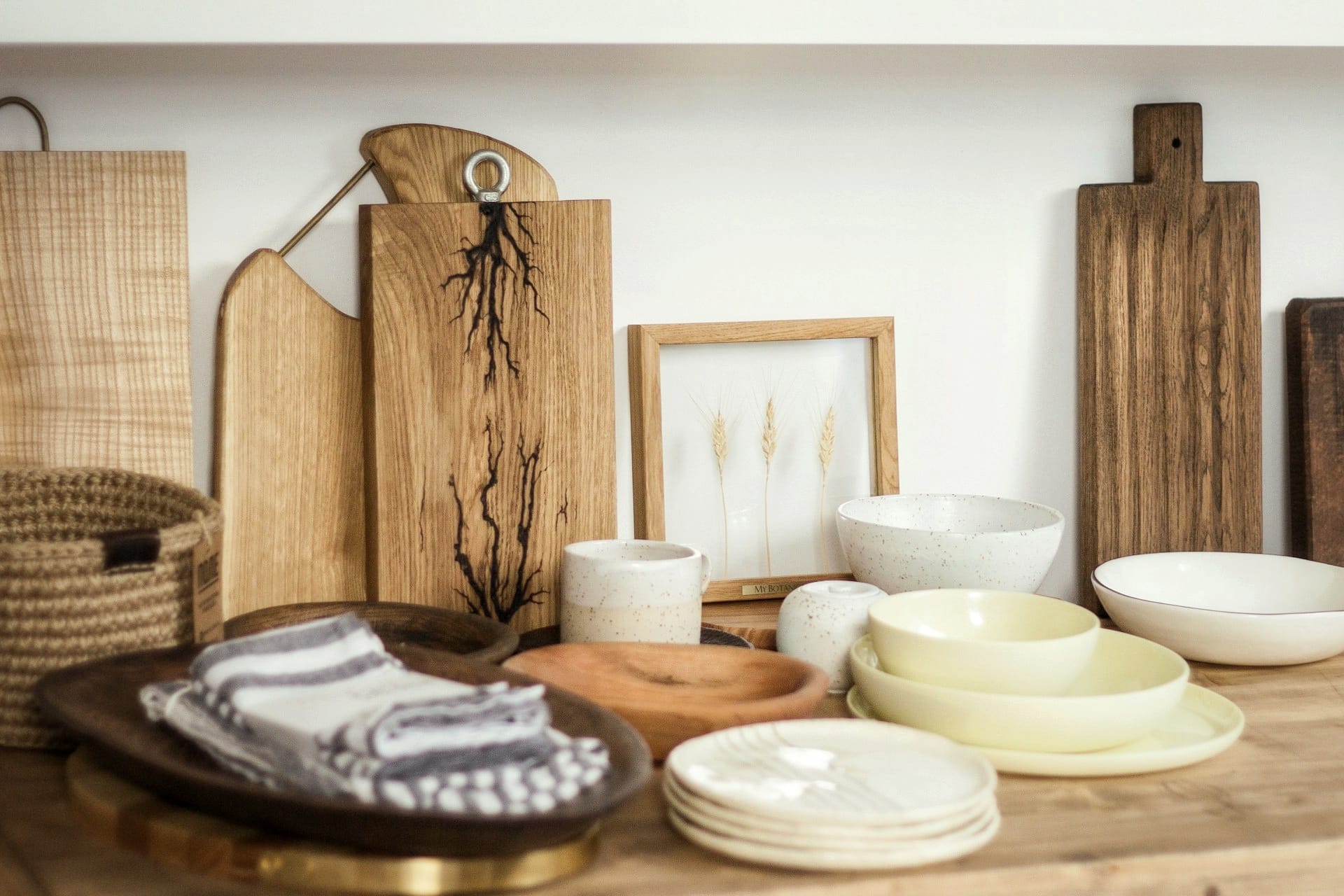
Choosing well-made objects is not about elitism; it's about alignment. It shapes how you perceive the world, how you choose, and what you invite into your life.
That jacket with confident drape, that bowl with the maker's memory—they're still there, waiting. You just needed to remember how to see them.
Start tomorrow morning with your coffee cup. Really look. You already have everything you need.
The same perceptual precision you just read—applied to your situation. Book a Clarity Conversation to explore whether a session would be useful.
Subscribe for essays that change how you see.